Runway Font: Elevating Fashion Design Projects
Fonts play a crucial role in shaping the visual identity of any design project. Choosing the right typeface can enhance readability, evoke emotion, and align with your brand's aesthetic. Enter Runway, a serif font that exudes elegance and sophistication—perfect for fashion-themed designs. With its editorial feel and refined structure, Runway is more than just a font; it’s a creative tool that helps designers communicate style effortlessly.
The Unique Characteristics of Runway
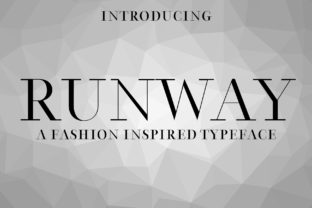
Runway stands out due to its clean lines, subtle contrast, and balanced proportions. As a serif font, it brings a sense of tradition and formality, often associated with high-end publications and luxury branding. However, what makes Runway particularly interesting is how it modernizes these classic traits. Its slightly rounded edges and open apertures make it both visually appealing and highly legible, even at smaller sizes.
This font is especially useful when you want to create a polished, professional look without sacrificing personality. Whether used in print or digital formats, Runway maintains its clarity and charm, making it versatile for various applications. The font’s weight variations also allow for flexibility, enabling users to highlight key elements while keeping the overall design cohesive.
Why Runway Works Well in Fashion Design
Fashion is all about presentation. Every detail—from the stitching on a garment to the typography on a label—contributes to the final impression. Runway fits seamlessly into this world by offering a sophisticated yet approachable style. It complements minimalist layouts, enhances editorial spreads, and adds a touch of refinement to product packaging.
- Elegant Branding: Use Runway for logos, taglines, or brand names that aim to convey luxury and class.
- Editorial Excellence: Pair it with sans-serif fonts for magazine covers, lookbooks, or fashion blogs to strike a balance between readability and style.
- Product Packaging: Apply Runway to labels, tags, or promotional materials for clothing lines, accessories, or beauty products.
- Digital Content: It works beautifully in web headers, social media posts, and e-commerce sites where a premium look is desired.
Real-World Applications of Runway
Let’s explore some practical ways creators and businesses are using Runway today:
1. Fashion Blogs and Websites
Fashion bloggers and online retailers often use Runway for headlines and featured content. Its editorial flair gives their sites a magazine-like quality, which readers associate with credibility and creativity. For instance, a blog post titled “Spring Trends You Can’t Miss” might use Runway in the title to immediately set a tone of elegance and authority.
2. Print Materials and Lookbooks
In the world of print, every choice matters. Runway is ideal for lookbook titles, runway program headers, and catalog listings. Because of its readability, it ensures that information remains clear while still being stylish. A boutique might use it for an annual lookbook to showcase collections in a way that feels exclusive and curated.
3. Invitations and Event Promotions
Whether it’s a fashion show invitation or a VIP launch event poster, Runway brings a level of sophistication that matches the occasion. Its timeless appeal makes it suitable for both traditional and contemporary events. A designer could pair it with gold foil accents or deep navy backgrounds to emphasize exclusivity.
4. Product Tags and Labels
For fashion brands aiming to elevate their product details, Runway is a smart choice. It looks great on price tags, care instructions, and branded stickers. The font’s warmth and clarity help maintain a connection with customers who expect quality and attention to detail.
5. Social Media Graphics
Instagram, Pinterest, and other platforms thrive on visual storytelling. Runway’s crisp appearance ensures that text-based graphics remain legible and attractive across different screen sizes. A simple quote like “Style is a way to say who you are without having to speak” becomes much more impactful when styled in Runway with thoughtful spacing and alignment.
How Different Users Can Adapt Runway
One of the strengths of Runway is its adaptability. Here’s how various professionals can tailor it to suit their unique needs:
Designers and Creatives
Graphic designers love Runway for its ability to blend with both bold and muted color palettes. When designing a website for a new fashion line, consider using Runway in header sections and pairing it with a modern sans-serif like Helvetica Neue or Montserrat for body text. This combination creates a dynamic yet harmonious layout that feels both current and timeless.
Marketers and Entrepreneurs
Entrepreneurs launching a fashion brand can leverage Runway to establish a strong visual identity. Use it in email newsletters, landing pages, or promotional banners to create a consistent and upscale brand image. For example, a subject line such as “Introducing Our New Collection” in Runway can instantly capture attention and signal professionalism.
Bloggers and Publishers
Runway is excellent for fashion publishers and bloggers looking to elevate their content. In blog headers or article titles, it helps set the stage for engaging reads. Combine it with soft pastel colors or black-and-white photography for a striking contrast. This approach not only improves aesthetics but also reinforces the brand’s voice through typographic choices.
Small Business Owners
Even small fashion boutiques or local designers can benefit from Runway. Incorporate it into store signage, packaging inserts, or even customer thank-you cards. The font adds a layer of polish that can make a big difference in how customers perceive the brand. A handwritten-style version of Runway might be used for custom greetings, blending personalization with professionalism.
Freelancers and Educators
Freelance creatives working on multiple client projects will appreciate Runway’s versatility. It can be used in presentations, pitch decks, or portfolio websites to maintain a consistent and elegant design language. Educators teaching typography or fashion design can use Runway as a case study to demonstrate how serif fonts can influence perception and usability in real-world scenarios.
Best Practices for Using Runway Effectively
To ensure your use of Runway remains effective and impactful, keep the following tips in mind:
- Maintain Contrast: Balance the font with appropriate background colors or imagery. Darker shades work well for maximum visibility, while lighter tones can give a softer, more luxurious feel.
- Use Proper Spacing: Serif fonts require careful kerning and leading to prevent overcrowding. Especially in high-resolution print, ensuring each letter sits comfortably next to the others is essential.
- Limit Usage: While Runway is beautiful, overusing it can lead to visual fatigue. Reserve it for headlines, subheadings, or key phrases rather than entire paragraphs of text.
- Pair Thoughtfully: Match it with complementary fonts that don’t clash. A good rule of thumb is to pair one serif (like Runway) with one sans-serif for variety and hierarchy.
- Consider Accessibility: Ensure that the font size and color combinations meet accessibility standards so that all users can read and engage with your content easily.
Styling Tips for Maximum Impact
Here are a few styling ideas to help you get the most out of Runway:
- Try it in all caps for a dramatic effect on posters or billboards.
- Use italics sparingly—perhaps for quotes or special features—to maintain legibility.
- Experiment with different weights to add depth and visual interest to your layout.
- Layer it with textures or gradients to create a unique look without compromising clarity.
Where to Find and How to License Runway
If you’re ready to bring Runway into your projects, you’ll find it available on several reputable font marketplaces. Always verify the licensing terms before downloading, especially if you plan to use it in commercial work. Some platforms offer free versions for personal use, while others require a purchase for business applications.
Once you’ve acquired the font, import it into your design software (such as Adobe Illustrator or Photoshop) and start experimenting. Test it across different mediums—print, web, mobile—and adjust accordingly to ensure it performs well in all environments.
Final Thoughts on Creative Typography
Choosing the right font isn't just about looks—it’s about communication. Runway excels in this area by delivering a message of elegance and professionalism. Whether you're crafting a luxury brand identity or designing a casual fashion blog, Runway offers the tools to make your vision stand out.
Remember, the best typography solutions come from understanding your audience and purpose. Runway is a fantastic option when you need to express sophistication and style without overwhelming the viewer. Let it guide your design process, and don’t hesitate to combine it with other elements to build a compelling narrative.
So go ahead—explore the possibilities. From digital campaigns to printed catalogs, Runway has the potential to transform your fashion-related projects into something truly remarkable.