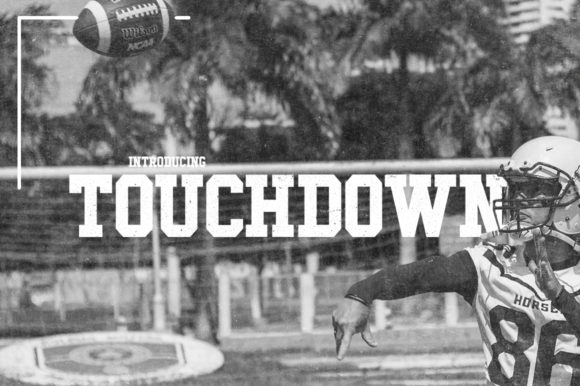
Touchdown: A Font That Captures the Spirit of Sport and Style
Fonts are more than just tools for readability; they're powerful visual elements that shape the tone, mood, and message of any design. In a world where aesthetics and personality play a crucial role in communication, finding the right typeface can make all the difference. Touchdown is one such font—dynamic, sporty, and with a vintage twist—that stands out in both digital and print environments. Whether you're crafting a logo, designing promotional materials, or enhancing a website’s typography, Touchdown offers a unique blend of energy and nostalgia.
The Unique Character of Touchdown
At first glance, Touchdown appears bold and confident, with strokes that convey movement and momentum. This is no accident. The font was designed to evoke the thrill of athletic performance while maintaining a retro charm that harks back to classic sports memorabilia. Its character set includes subtle variations like slightly condensed letters and playful serifs that give it an edge over more conventional typefaces.
One of the standout features of Touchdown is its ability to balance formality with fun. It doesn’t shout but commands attention through its structure and rhythm. For instance, the lowercase “a” has a rounded, almost hand-drawn feel, while the uppercase “T” and “D” resemble the crisp lines of old-school team logos. These small touches contribute to a font that feels both authentic and approachable.
Why Designers Choose Touchdown
- Versatility: Touchdown works well in headlines, subheadings, and even body text when used sparingly. Its high contrast and legibility ensure it remains effective across various media.
- Visual Impact: With a strong presence and distinctive style, Touchdown helps brands stand out in crowded markets. It's especially popular in industries like fitness, gaming, and entertainment.
- Nostalgic Appeal: The vintage twist makes it ideal for projects aiming to evoke a sense of history or tradition without feeling outdated.
Practical Use Cases for Touchdown
Touchdown isn't just about looks—it’s also highly functional in real-world applications. Here are some common use cases where this font shines:
Brand Identity and Logo Design
For businesses looking to create a memorable brand identity, Touchdown is a go-to choice. Its dynamic nature suits logos for sports teams, event promotions, and lifestyle brands. The font adds a layer of storytelling to the brand, suggesting agility, excitement, and heritage all at once.
Consider a local football club launching a new merchandise line. Using Touchdown in their branding instantly communicates passion and pride, aligning perfectly with the energetic vibe of the sport. The same applies to a boutique gym promoting a retro-themed fitness challenge—the font becomes part of the experience.
Marketing Materials and Posters
Posters, flyers, and billboards often require fonts that grab attention from a distance. Touchdown delivers on this front with its bold, readable characters. It’s particularly effective when paired with high-contrast colors or background imagery that complements its vintage aesthetic.
For example, a music festival might use Touchdown for event titles to evoke the golden age of live performances. Or a food truck could integrate it into their signage to reflect a laid-back yet exciting dining experience. In each case, the font enhances the overall message without overshadowing it.
Digital Content and Web Typography
On the web, Touchdown can be used creatively to highlight key sections or calls to action. While it may not be suitable for long paragraphs due to its decorative nature, it excels in short bursts of text such as headings, buttons, and banners.
Web designers often combine Touchdown with simpler sans-serif fonts to maintain a balance between visual interest and usability. This pairing ensures the content remains scannable and accessible, while still benefiting from the emotional resonance of the bolder font.
Advantages of Incorporating Touchdown
Beyond its visual appeal, Touchdown offers several practical advantages that make it a valuable addition to any designer’s toolkit:
- Distinctiveness: In a sea of generic fonts, Touchdown helps your project cut through the noise with a unique look.
- Emotional Connection: The font’s nostalgic and sporty qualities foster a sense of familiarity and enthusiasm, making it easier for audiences to connect with the message.
- Cross-Platform Consistency: Whether printed on a T-shirt or displayed on a smartphone screen, Touchdown maintains its integrity and impact.
Design Considerations When Using Touchdown
While Touchdown is a powerful font, it’s important to use it thoughtfully. Here are a few considerations to keep in mind:
- Contrast Matters: Pair Touchdown with lighter or neutral tones to let it stand out without overwhelming other design elements.
- Spacing is Key: Because of its dynamic curves and angles, proper letter and word spacing is essential to avoid cluttered layouts.
- Use Sparingly: Reserve Touchdown for focal points rather than large blocks of text. This preserves its effectiveness and keeps the design clean.
Touchdown in Different Industries
Though originally inspired by sports, Touchdown has found its way into a wide range of sectors. Its adaptability allows it to fit naturally into different contexts:
Fitness and Wellness
In the fitness industry, where motivation and performance are central themes, Touchdown is frequently used in app interfaces, gym posters, and social media campaigns. Its boldness inspires action, while the vintage flair suggests time-tested methods and authenticity.
Gaming and Entertainment
Game developers and entertainment companies often turn to Touchdown for promotional assets. It adds a sense of urgency and excitement to titles and taglines, especially in genres like arcade games, retro-inspired indie titles, or live-stream branding.
Education and Youth Programs
Teachers and educators working with younger students find Touchdown to be a great tool for creating engaging classroom materials. Its friendly, energetic style appeals to children and supports learning environments that prioritize creativity and participation.
Real-World Examples of Touchdown
To better understand how Touchdown functions in practice, consider these real-world examples:
- A college sports team uses Touchdown in their championship poster, combining it with bold reds and blacks to emphasize victory and legacy.
- An independent filmmaker selects Touchdown for the title card of a documentary about 1970s basketball legends, using it to reinforce the period setting and emotional weight of the subject.
- A local coffee shop adopts Touchdown for their seasonal menu board, giving their space a fresh, youthful atmosphere while maintaining a warm, inviting feel.
Observations on Typographic Trends
As typographic trends continue to evolve, there’s a growing preference for fonts that tell a story. Touchdown fits this trend perfectly by offering a rich visual language that goes beyond mere functionality. Unlike minimalist sans-serif fonts that dominate modern design, Touchdown brings depth and character, appealing to those who want to infuse emotion into their work.
Interestingly, Touchdown has been embraced not only by traditional print designers but also by digital creators. Its compatibility with responsive web design means it scales well across devices, ensuring a consistent user experience whether viewed on a desktop or mobile screen.
How to Integrate Touchdown Effectively
When integrating Touchdown into your designs, start by defining the purpose of the text. Is it meant to inspire? To inform? To entertain? Once you have a clear goal, consider how the font can support it. Here are a few tips to guide your implementation:
- Layer with Color: Use bright or muted colors strategically to highlight or soften the font’s impact depending on the context.
- Pair with Complementary Fonts: Combining Touchdown with a clean, modern sans-serif like Montserrat or a classic serif like Georgia can create a balanced and harmonious design.
- Test Across Media: Always check how Touchdown looks in different formats—print, web, video—to ensure it meets your expectations in every scenario.
Tools and Resources for Working with Touchdown
If you’re ready to bring Touchdown into your workflow, here are some resources to help you get started:
- Font Libraries: Look for Touchdown in platforms like Google Fonts, Adobe Fonts, or private font repositories that cater to niche styles.
- Typeface Preview Tools: Use online preview tools to see how Touchdown interacts with your brand colors and layout before finalizing a design.
- Typography Guides: Many font providers include usage guidelines and pairing suggestions, which can be invaluable for first-time users.
Touchdown vs. Other Similar Fonts
There are many fonts that aim to capture the essence of sport and nostalgia, but Touchdown distinguishes itself through its thoughtful details and balanced proportions. Compared to more aggressive fonts like Bebas Neue or Rockwell, Touchdown offers a softer edge that’s less likely to alienate audiences looking for warmth and approachability.
On the flip side, it avoids the overly ornate styles of some vintage fonts, making it more versatile for contemporary use. This middle ground is what makes Touchdown so appealing—it bridges the gap between past and present, allowing it to thrive in a variety of creative spaces.
Case Study: A Creative Agency’s Experience
A mid-sized creative agency recently adopted Touchdown for a client rebranding a retro sneaker company. The challenge was to modernize the brand while preserving its roots. By using Touchdown for key brand elements, the agency managed to create a visual identity that felt both fresh and familiar. The result was a successful campaign that boosted customer engagement and reinforced the brand’s heritage.
This case highlights how the right font can influence perception and behavior. Touchdown didn’t just enhance the visuals—it became a core part of the brand’s narrative.
Conclusion
Touchdown is more than just a font—it’s a statement. With its dynamic and sporty characteristics combined with a vintage twist, it offers a compelling option for designers seeking to add personality and purpose to their work. From brand identities to marketing collateral, Touchdown proves that thoughtful typography can elevate a project from ordinary to unforgettable.